
Overview
In the Master of Science in Biological Sciences, courses and research range from cellular and molecular biology to evolution and ecology.
Two ways to earn the degree
Thesis option
You take courses and do independent research with a faculty mentor. You finish by writing and defending a thesis.
Biomedical Sciences concentration
This non-thesis path combines coursework with an internship in a health care field and ends with a capstone project. Full-time students can finish in 1 year.
Degree requirements
Where graduates go
- Biomedical and biotechnology labs
- Natural resource management
- Biology education and outreach
- Doctoral and professional programs
How to apply
Apply through the Graduate School. If you want the thesis option, contact faculty in your area of interest before you apply.
Thesis students can compete for assistantships and fellowships that cover their stipend and tuition.
LSU New Orleans undergraduates can start this degree early through the accelerated master's program, which the Graduate School runs.
Faculty
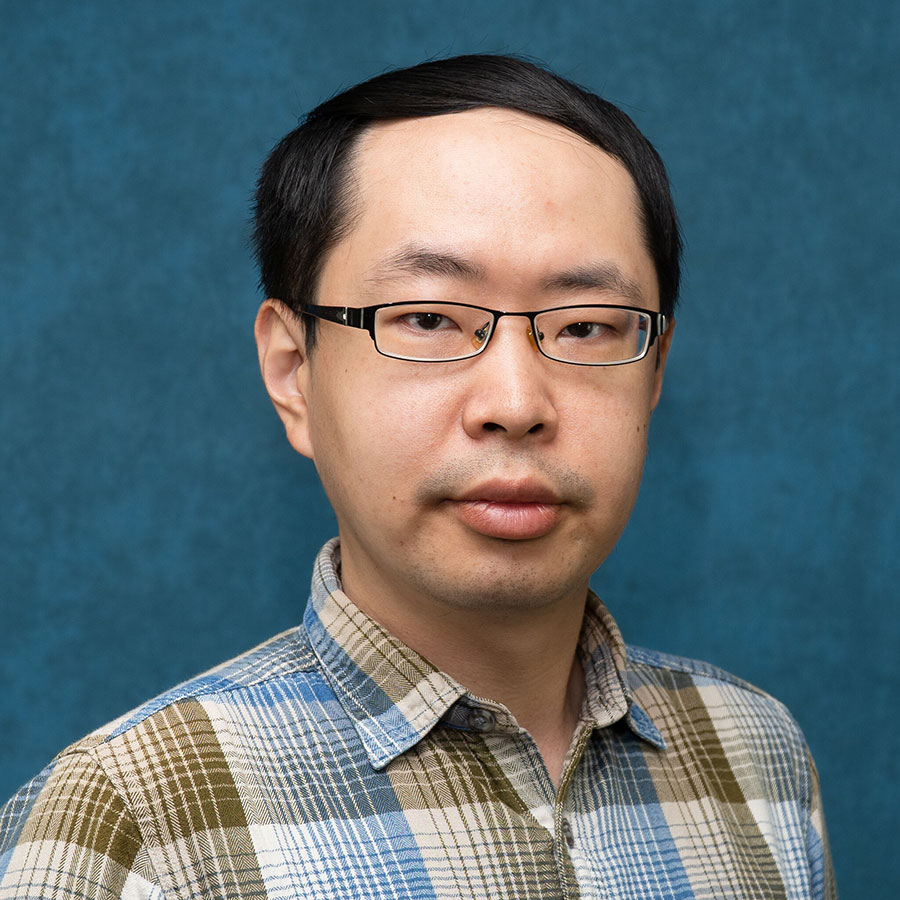
Cheng Shi
Assistant Professor
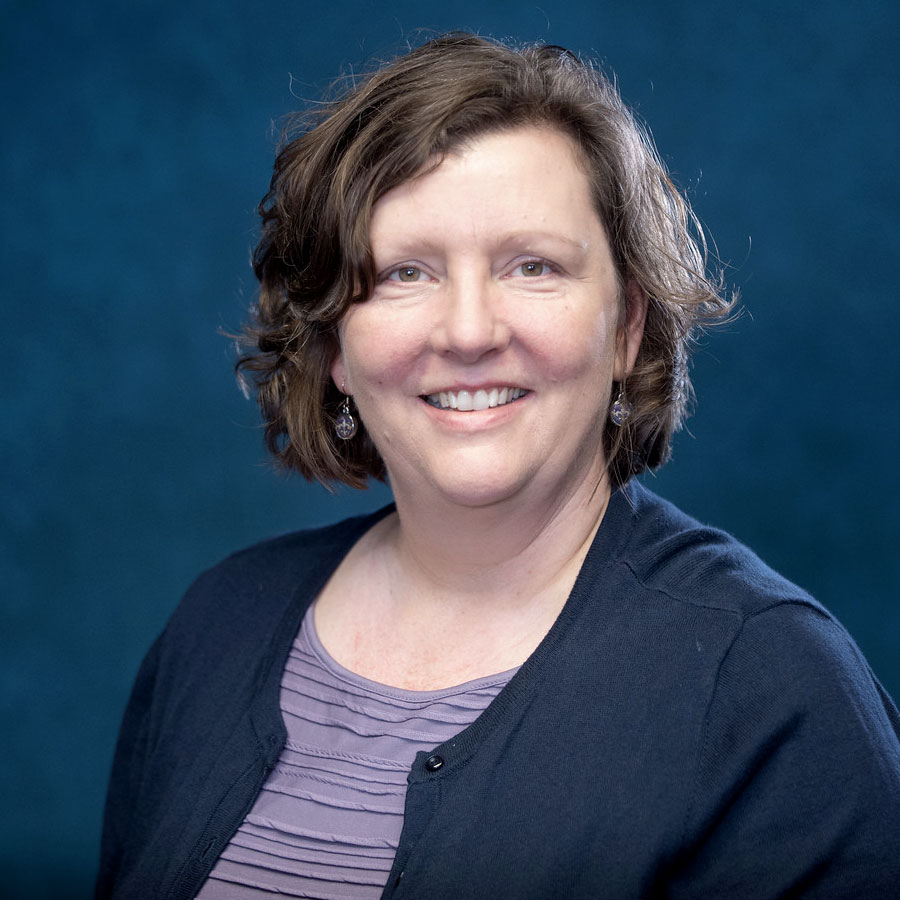
Wendy Schluchter
Professor, Eurofins Professor of Molecular Biology

Barney Rees
Professor, Chair and Graduate Coordinator, Greater New Orleans Foundation Chair in Aquatic Conservation
Carla Penz
Professor Emeritus
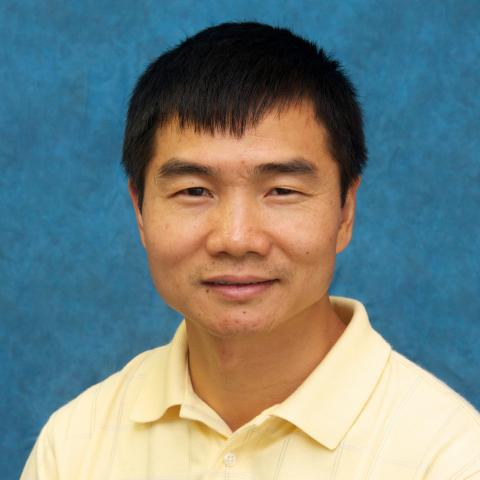
Zhengchang Liu
Professor
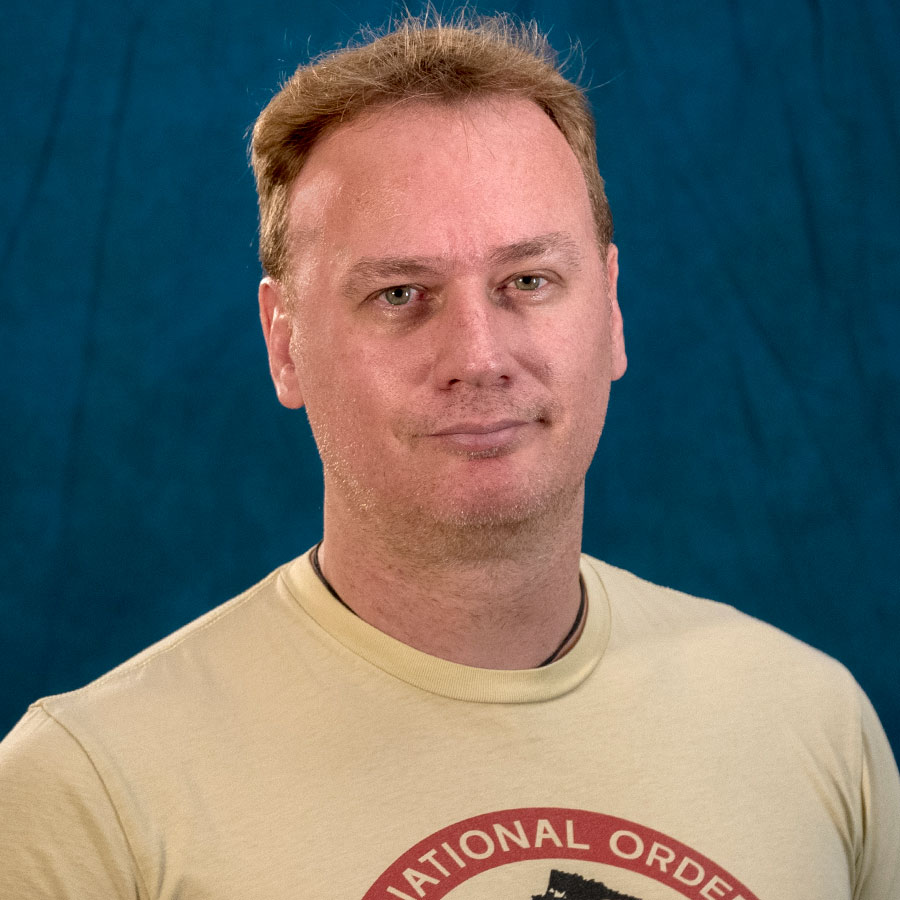
Simon Lailvaux
Professor, Virginia Kock/Audubon Nature Institute Chair in Species Preservation
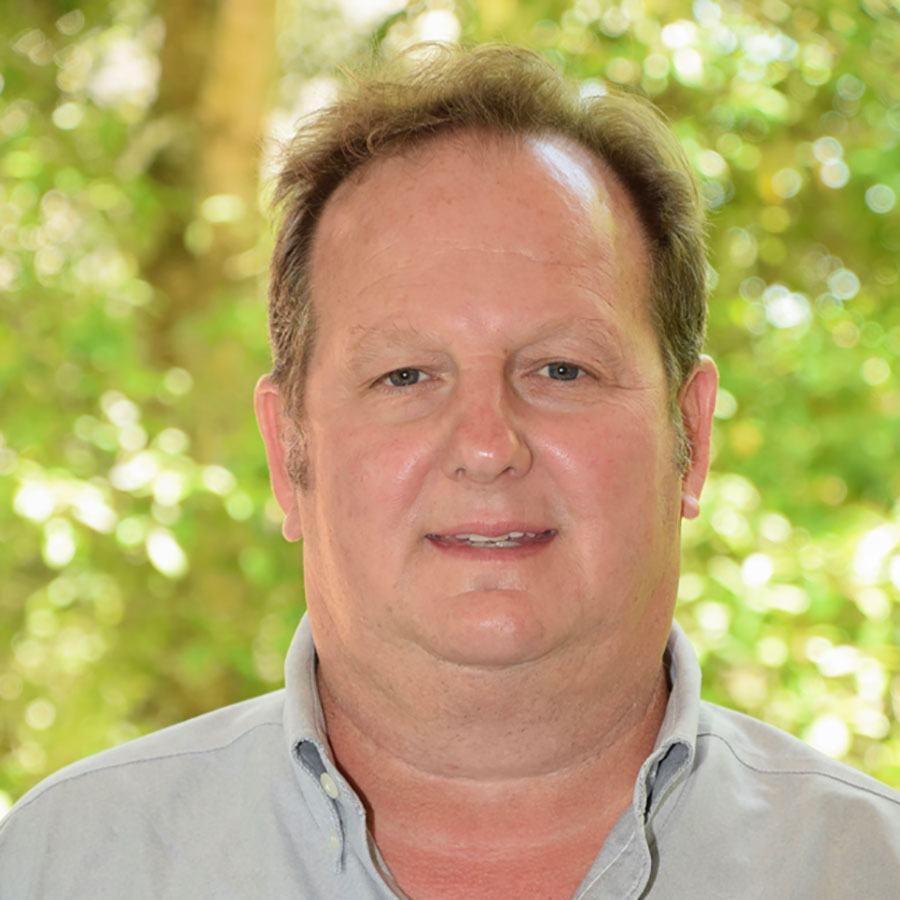
John H. Horne
Professor of the Practice
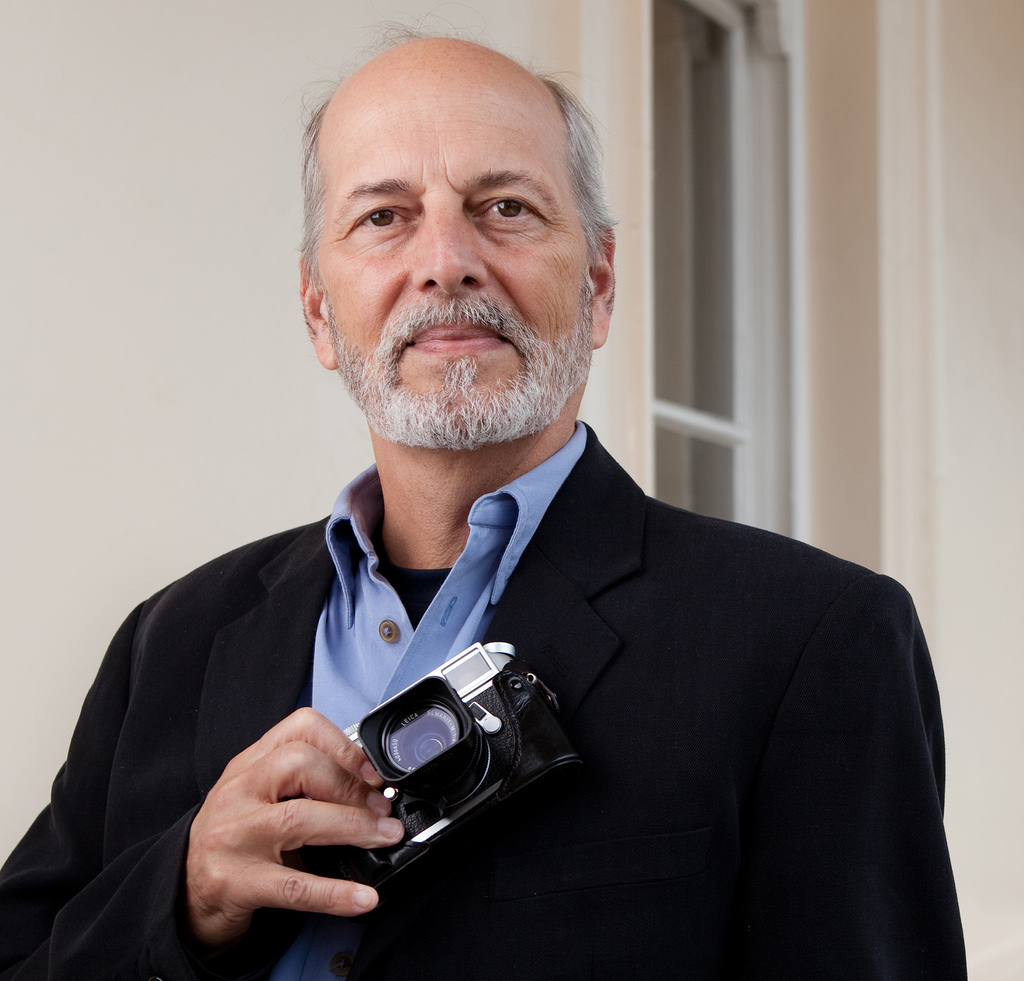
Philip DeVries
Professor Emeritus
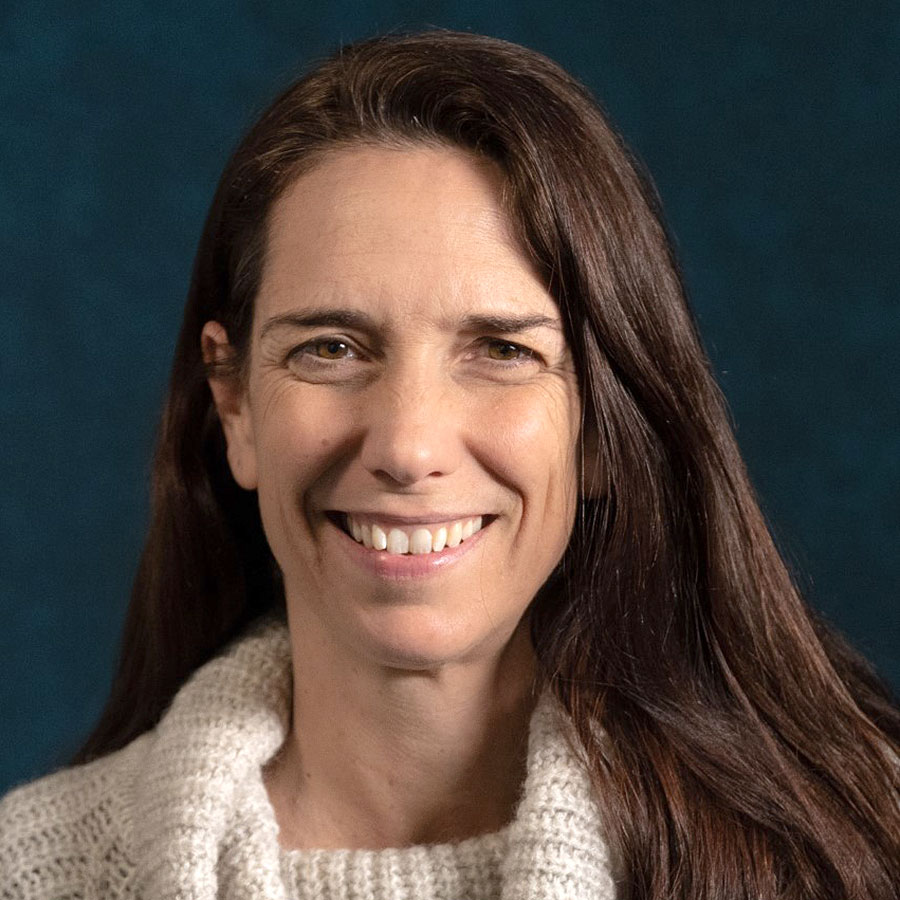
Erin Cox
Associate Professor
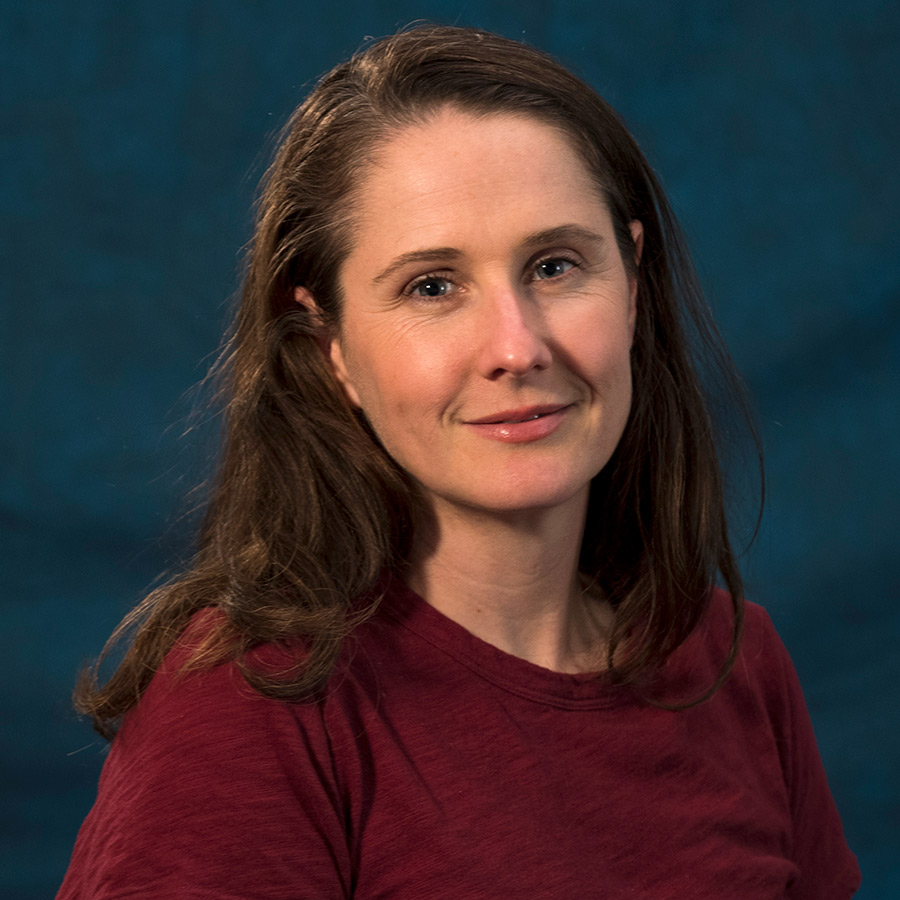
Rachel Wallace Clostio
Instructor, Conservation biology, population genetics and genomics, ecology
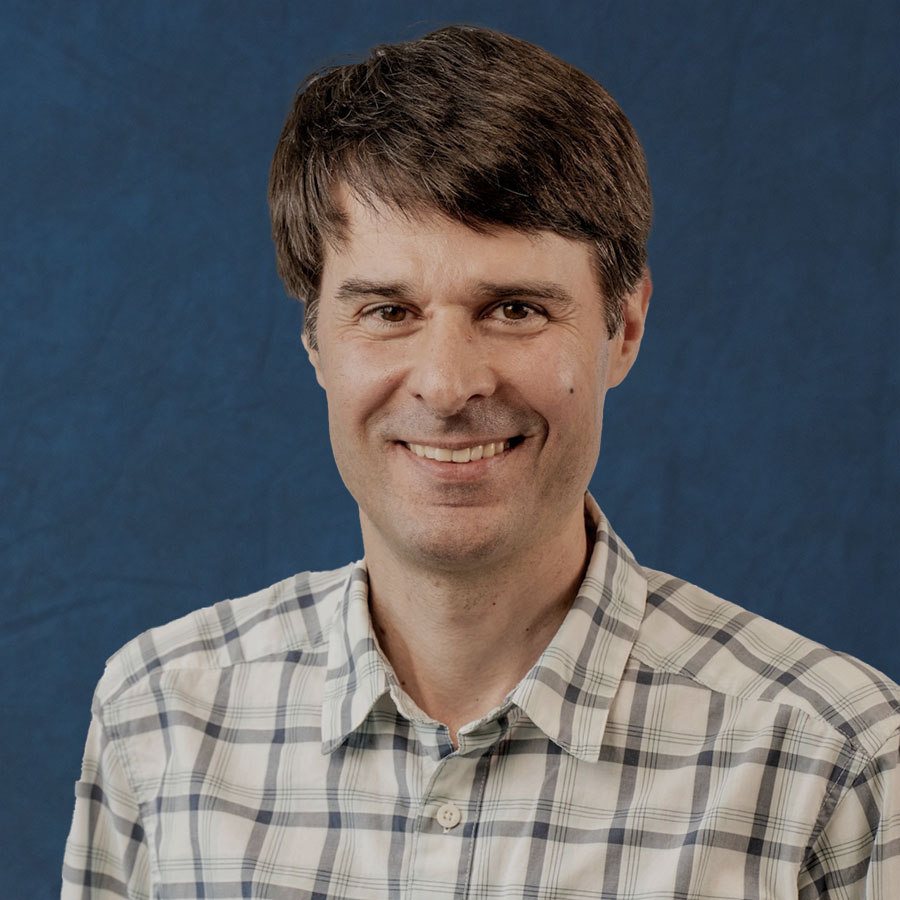
Santiago Claramunt
Assistant Professor, Doris Zemurray Stone Endowed Chair in Biodiversity
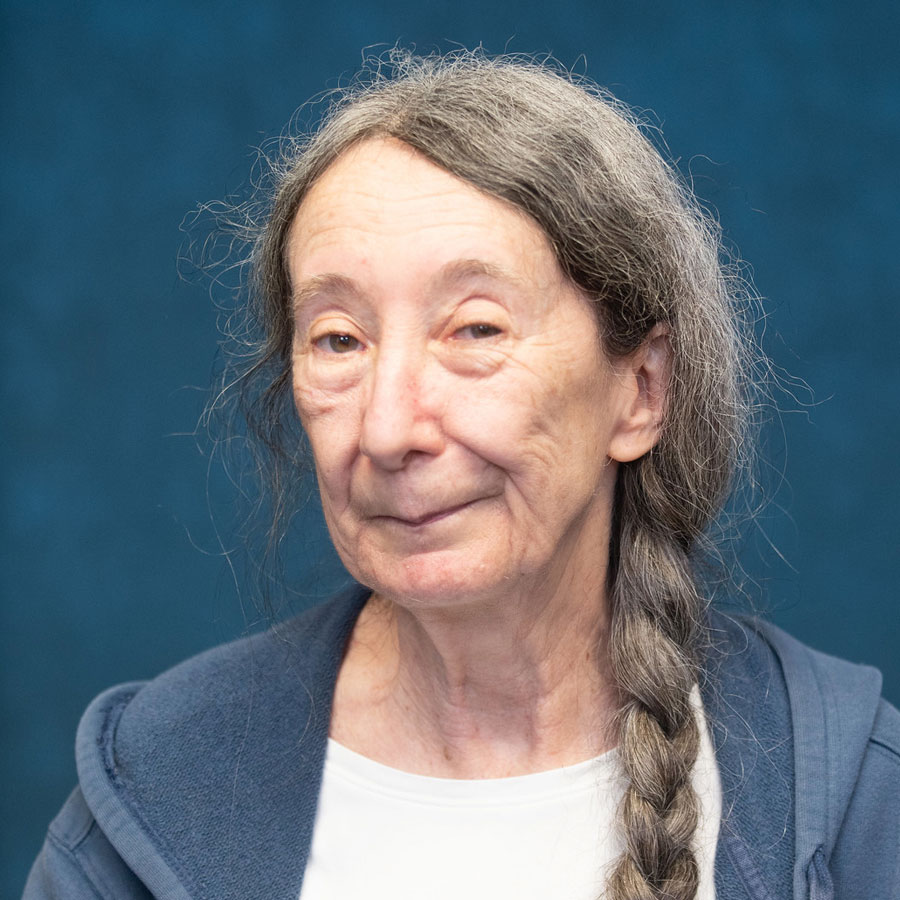
Mary Clancy
Associate Professor
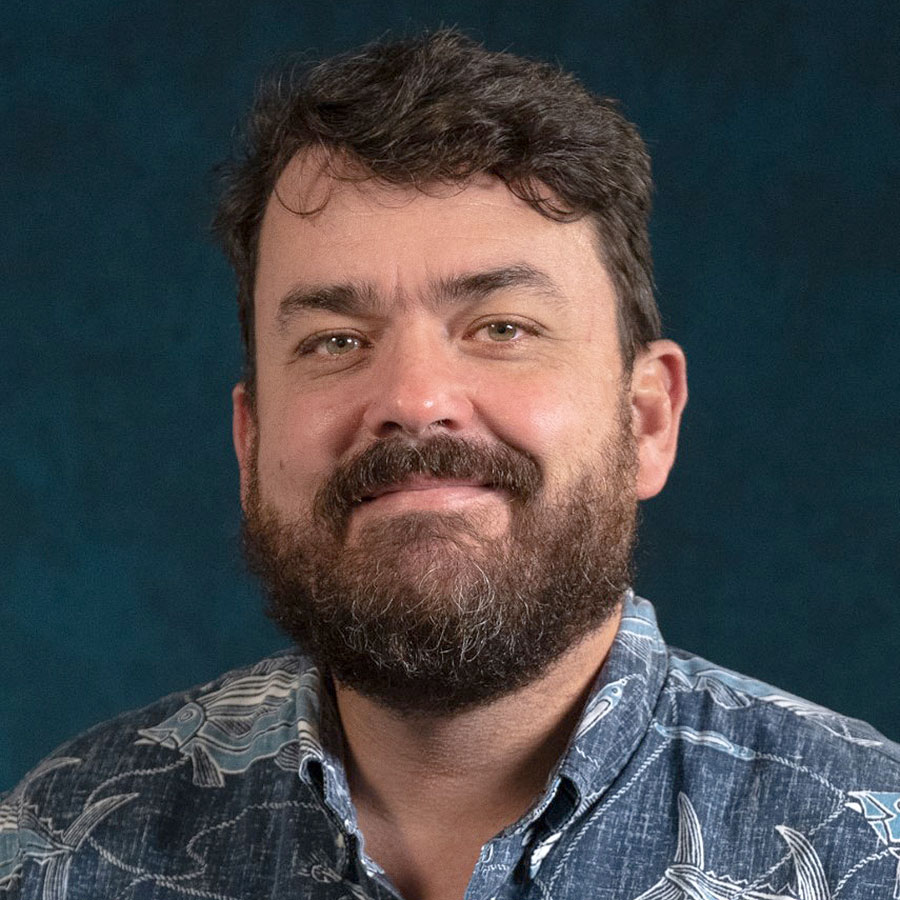
Kelly Boyle
Assistant Professor
Charles D. Bell
Professor
Joel Atallah
Associate Professor, Developmental biology, genomics, Drosophila genetics
Nicola M. Anthony
Professor, Freeport-McMoran Chair in Wildlife Sustainability