  • Admissions

    Find Your Path

    Admissions
    How to apply and what you need to get in
    Undergraduate Admissions
    First-time freshmen applying to LSU New Orleans
    Transfer Admissions
    Transfer credits, eligibility, and next steps
    Adult Learners
    Evening, weekend, and part-time options
    Military Admissions
    GI Bill®, Yellow Ribbon, and VA resources
    Graduate Admissions
    Graduate programs, requirements, deadlines
    International Admissions
    International student requirements and resources

    Apply & Enroll

    Apply
    Start your application to LSU New Orleans
    Important Dates & Deadlines
    Fall, spring, and summer enrollment windows
    Tuition & Fees
    In-state and out-of-state rates, mandatory fees
    Accepted Students
    Next steps after your acceptance letter
    Privateer Enrollment Center
    One-stop shop for enrollment, advising, financial aid, and registration
    Veterans Services
    GI Bill®, Yellow Ribbon, and VA resources

    Plan Your Visit

    ‍

    Visit Us
    Schedule a campus tour or open house
    Virtual Tour
    Explore campus from anywhere
    Open Houses
    Upcoming events for prospective students

    Financial Aid

    Financial Aid Overview
    Meeting the cost of your education is an important part of your success
    Types of Aid
    Grants, loans, work-study, and scholarships overview
    Cost of Education
    Understanding your full cost of attendance
    Scholarships & Awards
    Understanding your full cost of attendance
    Resources
    Step-by-step FAFSA guide

    Also See

    Explore Majors
    Browse 70+ programs and find your path
    Graduate Programs
    Master's and doctoral degrees
    Life on Campus
    Housing, dining, and student organizations
    Start Your FAFSA
    Key Deadlines
    Academic Calendar
    Contact Admissions
    For Parents
  • Academics

    Colleges & Schools

    Academics
    Degrees and programs the school offers
    All Colleges
    Browse every college and school at LSU New Orleans
    College of Liberal Arts & Education
    Humanities, education, social sciences, and fine arts
    Henry Bernstein College of Business Administration
    Business, hospitality, and tourism management programs
    Dr. Robert A. Savoie College of Engineering
    Civil, electrical, mechanical, and naval architecture programs
    College of Sciences
    Biology, chemistry, physics, mathematics, and computer science
    School of Interdisciplinary Studies
    Interdisciplinary degrees and customized study plans
    The Graduate School
    Graduate programs, requirements, and resources

    Programs

    Undergraduate Programs
    Majors, minors, and degree paths
    Graduate Programs
    Master's, doctoral, and professional degrees
    Online Degree Programs
    Fully online credentials
    Certificates
    Professional and academic certificates
    Honors Program
    Enriched curriculum for high-achieving students
    Professional and Continuing Education (PaCE)
    Non-credit, professional, and continuing education programs
    Pre-Professional Programs
    Pre-med, pre-law, and other pre-professional tracks

    Research & Discovery

    Research at LSU New Orleans
    Funded research, centers, and institutes
    Student Research
    Undergraduate and graduate research programs
    Study Abroad
    International programs and exchanges
    International Center
    Study abroad advising and international student services
    Faculty & Staff Research
    Funding opportunities and research support for faculty
    Collaborate with LSU New Orleans
    Industry, community, and government partnerships
    Office of Research
    Research administration and compliance

    Also See

    Academic Calendar
    Key dates, registration windows, and university holidays
    General Education
    Core curriculum requirements
    Testing Services
    CLEP, DSST, and faculty testing
    Program Search
    Course Catalog
    Registrar Office
    Academic Calendar
  • About

    About LSU New Orleans

    About LSU New Orleans
    Our story, mission, and New Orleans identity
    Mission & Vision
    What we stand for, where we are going
    History
    From LSU New Orleans (1958) to today
    At a Glance
    Enrollment, rankings, and fast facts
    Current Rankings
    U.S. News, Forbes, Princeton Review
    Looking for UNO?
    We are LSU New Orleans.

    Leadership & Offices

    Office of the President
    University leadership and presidential office
    Administrative Offices
    All university offices and departments
    University Advancement
    Fundraising, development, and giving
    Work at LSU New Orleans
    Job openings and employment opportunities
    News
    Latest from LSU New Orleans

    Community & Engagement

    Alumni
    Connect with the LSU New Orleans alumni community
    For Parents
    Resources for student families
    Service Learning
    Community-engaged learning and volunteer opportunities
    Make a Gift
    Support LSU New Orleans

    Contact & Resources

    Contact LSU New Orleans
    Find the right office or person
    Campus Map
    Interactive and downloadable campus map
    Title IX
    Reporting, resources, and policies
    Campus Safety
    University Police Department and crime statistics
    Non-Discrimination Policy
    Equal access and opportunity for everyone.
    Accessibility
    Find support or report an accessibility barrier.
    Contact
    Campus Map
    Careers
    Make a Gift
    Alumni
    For Faculty and Staff
    Privateer Athletics
  • Student Life

    Living on Campus

    Student Life
    Things to do and ways to get involved on campus
    Residential Life
    On-campus housing options and applications
    Apply for Housing
    Housing application portal
    Dining Services
    Meal plans, dining locations, and hours
    Housing Rates
    Room costs by hall type and contract
    Pontchartrain Halls
    On-campus residence halls
    Lafitte Village
    Apartment-style living
    Campus Recreation
    Fitness center, intramurals, and open recreation

    Get Involved

    Student Involvement & Leadership
    Hub for campus engagement and organizations
    Student Organizations
    Clubs, groups, and organizations directory
    Greek Life
    Fraternities and sororities
    First Year Experience
    Privateer Plunge and new student orientation
    Service Learning
    Community-engaged learning and volunteer opportunities

    Health & Wellness

    Campus Health Services
    Medical care, counseling, and wellness
    Title IX Resources
    Reporting options and support resources
    Student Accountability
    Student conduct and community standards
    International Center
    Study abroad advising and international student services

    Career & Success

    Career Services
    Jobs, internships, and career coaching
    Student & Alumni Resources
    Resume help, recruiting, and job boards
    Research Opportunities
    Undergraduate and graduate research programs
    Study Abroad
    International programs and exchanges

    Also See

    Academic Advising
    Meet your advisor and plan your path
    Campus Map
    Find buildings, parking, and services
    Graduation Information
    Commencement, cap & gown, ceremony details
    Transcript Request
    Request official or unofficial transcripts
    Social Media
    Follow LSU New Orleans online
    Housing Portal
    Campus Health
    Student Organizations
    Career Center
    Current Students
    Privateer Athletics
  • visit
    visit
  • apply
    apply
  • Admissions

    Find Your Path

    Admissions
    How to apply and what you need to get in
    Undergraduate Admissions
    First-time freshmen applying to LSU New Orleans
    Transfer Admissions
    Transfer credits, eligibility, and next steps
    Adult Learners
    Evening, weekend, and part-time options
    Military Admissions
    GI Bill®, Yellow Ribbon, and VA resources
    Graduate Admissions
    Graduate programs, requirements, deadlines
    International Admissions
    International student requirements and resources

    Apply & Enroll

    Apply
    Start your application to LSU New Orleans
    Important Dates & Deadlines
    Fall, spring, and summer enrollment windows
    Tuition & Fees
    In-state and out-of-state rates, mandatory fees
    Accepted Students
    Next steps after your acceptance letter
    Privateer Enrollment Center
    One-stop shop for enrollment, advising, financial aid, and registration
    Veterans Services
    GI Bill®, Yellow Ribbon, and VA resources

    Plan Your Visit

    ‍

    Visit Us
    Schedule a campus tour or open house
    Virtual Tour
    Explore campus from anywhere
    Open Houses
    Upcoming events for prospective students

    Financial Aid

    Financial Aid Overview
    Meeting the cost of your education is an important part of your success
    Types of Aid
    Grants, loans, work-study, and scholarships overview
    Cost of Education
    Understanding your full cost of attendance
    Scholarships & Awards
    Understanding your full cost of attendance
    Resources
    Step-by-step FAFSA guide

    Also See

    Explore Majors
    Browse 70+ programs and find your path
    Graduate Programs
    Master's and doctoral degrees
    Life on Campus
    Housing, dining, and student organizations
    Start Your FAFSA
    Key Deadlines
    Academic Calendar
    Contact Admissions
    For Parents
  • Academics

    Colleges & Schools

    Academics
    Degrees and programs the school offers
    All Colleges
    Browse every college and school at LSU New Orleans
    College of Liberal Arts & Education
    Humanities, education, social sciences, and fine arts
    Henry Bernstein College of Business Administration
    Business, hospitality, and tourism management programs
    Dr. Robert A. Savoie College of Engineering
    Civil, electrical, mechanical, and naval architecture programs
    College of Sciences
    Biology, chemistry, physics, mathematics, and computer science
    School of Interdisciplinary Studies
    Interdisciplinary degrees and customized study plans
    The Graduate School
    Graduate programs, requirements, and resources

    Programs

    Undergraduate Programs
    Majors, minors, and degree paths
    Graduate Programs
    Master's, doctoral, and professional degrees
    Online Degree Programs
    Fully online credentials
    Certificates
    Professional and academic certificates
    Honors Program
    Enriched curriculum for high-achieving students
    Professional and Continuing Education (PaCE)
    Non-credit, professional, and continuing education programs
    Pre-Professional Programs
    Pre-med, pre-law, and other pre-professional tracks

    Research & Discovery

    Research at LSU New Orleans
    Funded research, centers, and institutes
    Student Research
    Undergraduate and graduate research programs
    Study Abroad
    International programs and exchanges
    International Center
    Study abroad advising and international student services
    Faculty & Staff Research
    Funding opportunities and research support for faculty
    Collaborate with LSU New Orleans
    Industry, community, and government partnerships
    Office of Research
    Research administration and compliance

    Also See

    Academic Calendar
    Key dates, registration windows, and university holidays
    General Education
    Core curriculum requirements
    Testing Services
    CLEP, DSST, and faculty testing
    Program Search
    Course Catalog
    Registrar Office
    Academic Calendar
  • About

    About LSU New Orleans

    About LSU New Orleans
    Our story, mission, and New Orleans identity
    Mission & Vision
    What we stand for, where we are going
    History
    From LSU New Orleans (1958) to today
    At a Glance
    Enrollment, rankings, and fast facts
    Current Rankings
    U.S. News, Forbes, Princeton Review
    Looking for UNO?
    We are LSU New Orleans.

    Leadership & Offices

    Office of the President
    University leadership and presidential office
    Administrative Offices
    All university offices and departments
    University Advancement
    Fundraising, development, and giving
    Work at LSU New Orleans
    Job openings and employment opportunities
    News
    Latest from LSU New Orleans

    Community & Engagement

    Alumni
    Connect with the LSU New Orleans alumni community
    For Parents
    Resources for student families
    Service Learning
    Community-engaged learning and volunteer opportunities
    Make a Gift
    Support LSU New Orleans

    Contact & Resources

    Contact LSU New Orleans
    Find the right office or person
    Campus Map
    Interactive and downloadable campus map
    Title IX
    Reporting, resources, and policies
    Campus Safety
    University Police Department and crime statistics
    Non-Discrimination Policy
    Equal access and opportunity for everyone.
    Accessibility
    Find support or report an accessibility barrier.
    Contact
    Campus Map
    Careers
    Make a Gift
    Alumni
    For Faculty and Staff
    Privateer Athletics
  • Student Life

    Living on Campus

    Student Life
    Things to do and ways to get involved on campus
    Residential Life
    On-campus housing options and applications
    Apply for Housing
    Housing application portal
    Dining Services
    Meal plans, dining locations, and hours
    Housing Rates
    Room costs by hall type and contract
    Pontchartrain Halls
    On-campus residence halls
    Lafitte Village
    Apartment-style living
    Campus Recreation
    Fitness center, intramurals, and open recreation

    Get Involved

    Student Involvement & Leadership
    Hub for campus engagement and organizations
    Student Organizations
    Clubs, groups, and organizations directory
    Greek Life
    Fraternities and sororities
    First Year Experience
    Privateer Plunge and new student orientation
    Service Learning
    Community-engaged learning and volunteer opportunities

    Health & Wellness

    Campus Health Services
    Medical care, counseling, and wellness
    Title IX Resources
    Reporting options and support resources
    Student Accountability
    Student conduct and community standards
    International Center
    Study abroad advising and international student services

    Career & Success

    Career Services
    Jobs, internships, and career coaching
    Student & Alumni Resources
    Resume help, recruiting, and job boards
    Research Opportunities
    Undergraduate and graduate research programs
    Study Abroad
    International programs and exchanges

    Also See

    Academic Advising
    Meet your advisor and plan your path
    Campus Map
    Find buildings, parking, and services
    Graduation Information
    Commencement, cap & gown, ceremony details
    Transcript Request
    Request official or unofficial transcripts
    Social Media
    Follow LSU New Orleans online
    Housing Portal
    Campus Health
    Student Organizations
    Career Center
    Current Students
    Privateer Athletics
  • visit
    visit
  • apply
    apply
  • visit
    visit
  • apply
    apply
LSU New Orleans Logo
  • LSU New Orleans
  • oiss
  • current students
  • hurricane preparedness
IN THIS SECTION
  • Current Students
    • Hurricane Preparedness
    • Medical Insurance
    • Visit Us
    • Apply to LSU New Orleans

Hurricane Preparedness

Hurricane season lasts from June 1 to November 30. Because New Orleans is below sea level and surrounded by water, people who live here pay special attention to weather reports during these months. Before a hurricane enters the Gulf, you should develop your own evacuation plan. You don’t need to panic! A hurricane moves slowly, giving us time to implement our evacuation plan. In fact, we recommend that students make a plan at the beginning of hurricane season. The most active part of hurricane season for New Orleans is August, September, and the beginning of October. We recommend students make a plan in June for what they will do if a hurricane develops.

Please fill out your 2025 Hurricane Evacuation Plan

Hurricane Evacuation Plan

Copy and paste the link if it doesn't work: https://forms.office.com/pages/responsepage.aspx?id=9dvUMQRAaUS_7t8pSp3hUCfZDLmqzGVJlup5NyGYSkxUQVg1RkdSMVpINzdPMFhPMjVXMU82TEtZTC4u

About Hurricanes

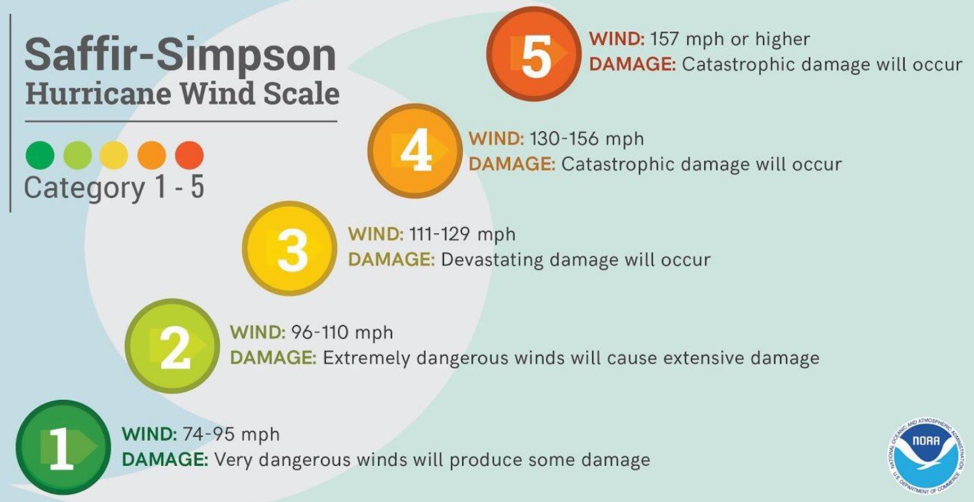
Hurricanes are slow moving storms that develop over water. The strength of a hurricane is categorized by its wind speed as Category 1-5. Each category comes with different restrictions from the city and the university. For instance, individuals who reside in trailers will be required to evacuate their trailers in the event of severe tropical storm or Category 1 or 2 hurricane. New Orleans city officials will call for a city-wide evacuation if Southeast Louisiana is directly threatened by a Category 3 hurricane or above and if there is sufficient time. LSU New Orleans would close in this situation and all buildings would be locked. Students and scholars living on campus would have to leave their dorm rooms and apartments. LSU New Orleans will assist students who need help evacuating from New Orleans in the event that LSU New Orleans closes and evacuation is necessary. 


Resources

National Hurricane Center

LSU New Orleans Emergency Preparedness

description of the different hurricane categories

Have a Plan

It's important to plan and prepare in advance. Do not wait until a storm develops to make a plan for what you will do. Have a tentative plan for where you will go, how you will get there, and what you will bring by June 1st. Then, you just need to take action if a storm happens. 

Before the Storm

  • Download the State of Louisiana Emergency Preparedness Guide, available in English, Spanish, and Vietnamese, at  Emergency Preparedness Guide - GOHSEP | Governor's Office of Homeland Security & Emergency Preparedness
  • Plan where you will go, how you will get there, and when you will depart if a storm develops. 
  • Notify your family and friends of your evacuation plans
  • File your Hurricane Personal Evacuation Plan with OISS
  • Prepare your disaster kit 
  • What to Bring: Hurricane Evacuation Kit 

    You should prepare your disaster evacuation kit  before the start of hurricane season. When evacuating, take these items with you:

    1. Prescription medication and first aid kit
    2. Clothing and bedding including sleeping bags, blankets and pillows
    3. Battery operated radio, flashlight, and extra batteries
    4. Enough non-perishable food and water for at least 3 days (1gallon per person per day)
    5. Immigration documents including passport, I-20 or DS 2019 and I-94 card
    6. Other important documents such as: social security card, proof of residence, birth & marriage certificates, insurance policies, tax records, etc.
    7. Important books, laptop, etc.
    8. Cell phone and charger / portable battery charger
    9. Car keys and maps
    10. Written instructions on how to turn off electricity, gas and water if authorities advise you to do so (you will need a professional to turn them back on)

Stay Informed

The local news stations will have detailed information about the storm. The following two radio stations are part of the Emergency Alert System and will have information on road conditions, shelter locations and reentry information: 870 AM and 101.9 FM.

Register for LSU New Orleans’s text notification service. Check the LSU New Orleans website to find out if the university will close, or call the main phone number, 504-280-6000. If the University closes, recorded information will be available. If you live on campus, check with Student Housing or Privateer Place to find out when you must evacuate.

Please review the University Emergency Preparedness information and the Campus Evacuation Plan

There are two good websites that offer detailed information on tropical storms, with regular updates and projections, emergency preparedness information, and much more. The National Hurricane Center (which offers information in English and Spanish) can be found at http://www.nhc.noaa.gov. The Federal Emergency Management Agency (FEMA) can be found at http://www.fema.gov.

Please keep OISS updated on your plans by filing a Personal Evacuation Plan


  • How to Leave

    Leave by Car

    If you have a car, check with your friends to see if others need a ride. Do not wait until the last minute to leave the city. Remember that everyone else is leaving too, and traffic will move so slowly that it can take several hours to go just 100 miles. Leave the city with a full tank of gas, a map, food, and water. To avoid the worst traffic, try leaving in the early morning. Consider driving north on Interstate 59 instead of west on Interstate 10. Once outside of the city you may want to get off the Interstate and travel the smaller highways to avoid traffic jams. At some point, the Louisiana State Police will direct all lanes of traffic on the major highways to flow out from the city. Prior to your departure, make sure you understand the various “contra-flow” evacuation routes. Contra-flow maps and more information are available at http://www.lsp.org/pdf/2016EmergencyGuide_English.pdf.

    Leave by Train

    Only two trains leave New Orleans on a daily basis, so if you use this method, you need to make your reservation as soon as it becomes clear that evacuation is necessary.

    The Crescent City leaves at 9:15 am and travels all the way to New York. The first six stops after Slidell are Picayune, MS, Hattiesburg, MS; Laurel, MS; Meridian, MS; Tuscaloosa, AL; and Birmingham, AL.

    The City of New Orleans leaves every day at 1:45 pm headed for Chicago. The first eight stops out of New Orleans are Hammond, LA; McComb, MS; Brookhaven, MS; Hazelhurst, MS; Jackson, MS; and Yazoo City, MS; Greenwood, MS, and Memphis, TN.

    Other routes do exist and are available but not every day. Prices vary, of course, but as an example, a round trip ticket to Memphis, TN will cost around $138. It can be cheaper when people travel in groups and there are student discounts but only if a discount card is purchased first. An advantage of evacuating by train is that Amtrak allows you to put an option on the reservation of your seat onboard until the departure time of your train at no charge at all. Trains also offer more comfort than buses. For more details, you can call 1-800-USARAIL or check the website at http://www.amtrak.com.

    Leave by Bus

    The bus can be cheaper than train if booked far in advance but it would not be applicable in the case of a hurricane evacuation. Most buses do not offer direct routes and have to make connections in Baton Rouge which might make your trip longer than on the train, but on the other hand, there are many more options and destinations available by bus. You should rapidly pick your destination, make sure you can get there by bus, make your hotel or shelter arrangements, then buy your bus ticket. (As an example, a round trip bus ticket to Memphis, TN costs around $85 and depending on how far in advance it was purchased). You can reach Greyhound bus by calling 1-800-231-2222 or, locally, 504-524-7571. You can find the website at http://www.greyhound.com/.

    Evacuate with LSU New Orleans

    Limited bus transportation is available to evacuate those resident and international students who are unable to evacuate on their own. These students may only bring minimal personal belongings that they are able to hold on their lap. NO SUITCASES are allowed and all personal belongings must be in a book bag or small duffle/gym bag.

     

  • Hotels

    When everyone is leaving the city, it can be difficult to find a hotel, so people end up driving far away as they look for a vacancy. You can avoid this problem by making a reservation as soon as it looks like you may need to evacuate; you can always cancel the reservation if it becomes obvious that evacuation is unnecessary. The later you leave, the farther you’ll have to go to find a room. There are several inexpensive motel chains that can be found throughout the Southeast, in small towns as well as in larger cities: Motel 6, Days Inn, Super 8, and Comfort Inn are a few examples. You can find their number using google.

    Motel 6 http://www.motel6.com

    Super 8 http://www.super8.com

    Days Inn http://www.daysinn.com

    Comfort Inn http://www.comfortinn.com

    (This is merely for your information; LSU New Orleans does not endorse or recommend any particular hotel chain.)

    Red Cross shelters will be set up outside of the New Orleans metropolitan area in such places as Hammond, Baton Rouge, Alexandria, or even as far north as Monroe, Louisiana, and Vicksburg, Mississippi. If you want to go to a Red Cross shelter rather than to a hotel you should plan to bring with you a blanket, non-perishable food, and water. (See the section on what to bring). Listen to the Emergency Alert System radio channels listed above to find out where Red Cross shelters will be located.

  • Who to Contact

    Contact your Consulate: Please contact your nearest consulate as they might have evacuation options to offer you and will most likely want to know what your plans are even if you are not evacuating with them.

    OISS: Let the OISS know your plans for evacuation, and make sure your contact information is up-to-date in the system, including an off-campus email address.

    Your Family: Let your family know what is happening and where you are going. Make sure to leave emergency contact information with the OISS office.

After the Storm 

Monitor LSU New Orleans website regularly to find out when the institution will re-open.  Check your LSU New Orleans and/or alternate e-mail for specific instructions from OISS staff.

Footer

Contact
2000 Lakeshore Drive New Orleans, LA 70148
[email protected]
+1 (888) 514-4275
+1 (504) 384-7797

Learn

Admission information
Programs of study
Scholarships and awards
Tuition and fees
Graduate programs
Financial aid
Important dates & deadlines

Experience

International center
Our campus
Student life
Housing
Career services
Alumni
Make a gift
Annual Security Report

Connect

All social
University calendar
News
For parents
Espanol - Tieng Viet
Privacy Policy
Accessibility
Non-Discrimination
Title IX
Campus Crime
Emergency Preparedness
© 2026 LSU New Orleans. All Rights Reserved.